




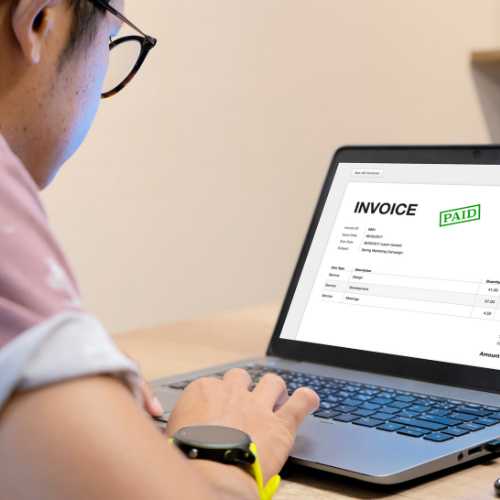


Where the Project Met Real Friction
The enterprise began with a simple plan: connect receivables data to an e-invoice process and go live. In practice, the team ran into questions that were not obvious at the start. Public Philippine localization guidance for Oracle Cloud ERP is limited, so BIR-specific behavior had to be confirmed rather than assumed. Under BIR rules, covered taxpayers are expected to issue structured electronic invoices by 31 December 2026 and hold a Permit to Issue, which put a fixed date on every decision and made early surprises expensive.
- Assumptions Treated as Facts: Early plans assumed features and formats that had not been confirmed in writing.
- Messy Source Data: Customer, item and tax records were less consistent than anyone expected.
- Late Discovery of Edge Cases: Credit memos, partial billings and intercompany invoices surfaced only during testing.
- Unclear Responsibilities: Tax, finance and IT each assumed another team owned the permit and exception steps.
- Change After Go-Live Planning: Oracle updates and local rule clarifications continued while the project was underway.
Six Lessons That Shaped the Integration
Confirm Before You Build
Write down every assumption about Oracle’s capabilities and the BIR’s requirements, then confirm each one with Oracle, the implementation partner or the BIR before design work depends on it.
Fix Data Before Automating It
Standardize customer names, tax IDs, item codes and VAT classifications first, since automation spreads bad data faster than manual work does.
Design for the Failure Path
Plan for rejected, duplicate and pending invoices from the start, with validation rules, retries and an exception queue, so errors are handled calmly instead of discovered in production.
Test the Awkward Cases Early
Run credit memos, partial billings, intercompany invoices and corrections through the workflow before the main build, since these cases drive most of the complexity. Structured output follows the BIR’s preferred JSON format and submission steps once permit and certification requirements are met.
Name an Owner for Every Step
Assign a person to the Permit to Issue, validation rules, submission monitoring and exception handling, so none of them sits between teams.
Plan for Change After Go-Live
Keep mappings, rules and connectors documented and versioned, and retest after Oracle updates or BIR clarifications, with references kept between e-invoice records and their Oracle transactions.
Advintek’s Delivery Path, Refined by Experience
Advintek’s approach follows each document from posting in Oracle Cloud ERP to a validated e-invoice record, and builds the lessons above into the steps. The implementation is tailored to the company’s Oracle release, available integration interfaces and applicable business requirements.
- Record and Confirm Assumptions in Writing
- Profile and Clean Source Data
- Map Oracle Fields and Define Validation Rules
- Build Submission, Retry and Exception Handling
- Test Awkward Cases, Volumes and Failures
- Hand Over, Monitor and Maintain Through Changes
What the Lessons Can Deliver
Applying these lessons can help reduce late surprises and rework in similar projects. For a Philippine enterprise, the value lies in a more predictable path to e-invoicing while continuing to use its established Oracle environment.
- ERP Continuity: Retain Oracle Cloud ERP while adding structured e-invoice processing to existing finance workflows.
- Fewer Surprises: Surface assumptions and edge cases early instead of near the deadline.
- Cleaner Master Data: Build automation on consistent customer, item and tax records.
- Calmer Exception Handling: Resolve rejected or pending invoices through defined steps and owners.
- Clear Accountability: Give every step a named owner and escalation path.
- Organized Invoice Records: Keep accessible e-invoice records for audits, reporting and compliance documentation.
Why Enterprises Seek Advintek’s Integration Experience
Start Your Oracle Cloud ERP E-Invoicing Project with the Lessons Already Learned
Philippine enterprises on Oracle Cloud ERP can prepare for BIR e-invoicing by connecting their receivables and tax data to configured electronic invoice workflows. Advintek helps businesses map Oracle data, configure validation, support electronic invoice processing and organize financial records, without requiring an ERP replacement. To explore related topics, see our guides on oracle cloud erp philippines and e invoicing details. Final BIR permits, certification and system requirements must be confirmed directly with the BIR.
Explore Our Case Studies

BIR EIS registration is the mandatory gateway every covered taxpayer must complete before issuing a single electronic invoice under Revenue Regulation No. 11-2025. The BIR EIS registration process encompasses three sequential stages: EIS certification requirements review, PTI (Permit to Issue) application through BIR ORUS, and sandbox testing before live activation. This guide provides a complete […]

BIR e-invoice correction — the process of fixing errors in invoices already submitted to the BIR Electronic Invoicing System — is one of the most operationally critical aspects of EIS compliance under Revenue Regulation No. 11-2025. Unlike paper invoices where a stamp or manual correction could be made directly, BIR e-invoice correction requires formal cancellation […]

The relationship between BIR ATP and E-Invoicing — the Authority to Print and the new Electronic Invoicing System — is one of the most operationally significant compliance questions under Revenue Regulation No. 11-2025. BIR ATP e-invoicing coexistence during the transition period requires careful management to avoid penalties for issuing invalid printed invoices after EIS go-live. […]

BIR e-invoicing for small businesses under Revenue Regulation No. 11-2025 is not immediately mandatory in the initial phase — the December 31, 2026 deadline applies only to taxpayers in the RMC 98-2026 covered list (Large Taxpayers, Top Withholding Agents and registered exporters). However, BIR e-invoicing for small businesses landscape is changing rapidly, and proactive preparation […]

BIR EIS integration is the technical foundation of every covered taxpayer’s BIR Electronic Invoicing System compliance programme. A well-designed BIR EIS integration architecture ensures real-time or four-hour invoice submission, error handling, EIS confirmation tracking and five-year record archiving — all aligned with BIR RR 11-2025 requirements. This guide focuses on the technical architecture of BIR […]

Understanding BIR E-Invoicing Cost Guide 2026 is one of the first practical questions every business must answer when planning for RR 11-2025 compliance. BIR e-invoicing cost varies significantly by business size, invoice volume, integration complexity and the type of e-invoicing solution chosen — from affordable cloud SaaS platforms to full-service ESP-managed implementations for large enterprises. […]
