

Compliance That Fits E-Freight ERP Users
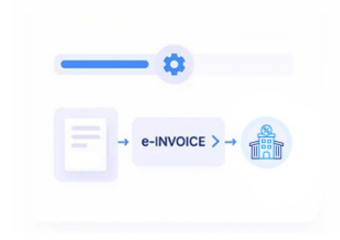
How EFC-ERP Freight Data Moves Into e-Invoicing
- Capturing Shipment Information: Relevant customer, shipment, freight service, and transaction information is gathered from EFC-ERP for invoice preparation.
- Reviewing Business Details: Available customer and transaction information is checked against applicable BIR electronic invoicing requirements.
- Structuring Freight Records: Shipment, service, and transaction information is organized into structured electronic invoice data.
- Validating Invoice Fields: Required customer, business, tax, and service details are reviewed before electronic processing continues.
- Processing Electronic Records: Prepared invoice information moves through the applicable Philippines electronic invoicing and reporting workflow.
- Retaining Shipment References: Processed invoices remain associated with relevant EFC-ERP shipment and service records for future reference.
Advintek's Philippines e-Invoice Connector for E-Freight | EFC-ERP
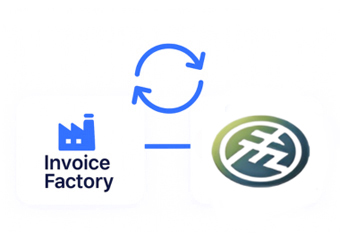
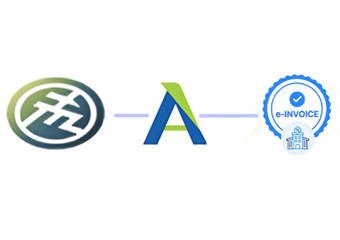
E-Freight | EFC-ERP supports freight forwarding and logistics activities by connecting operational, customer, shipment, and business information. Advintek integrates relevant EFC-ERP data with Philippines electronic invoicing processes, helping logistics organizations prepare structured invoice records while supporting applicable BIR requirements.
- Connects EFC-ERP transactions with electronic invoicing
- Structures freight and service data for processing
- Keeps invoices linked with shipment records
- Supports connected logistics and compliance workflows
Why Freight Teams Connect EFC-ERP With Advintek
- Connected Shipment Information — Relevant invoice details can remain associated with shipment and service records managed through EFC-ERP.
- Consistent Freight Records — Customer, service, and transaction information stays aligned throughout electronic invoice preparation.
- Better Operations-Finance Coordination — Logistics and finance teams can work with invoice information connected to underlying freight activities.
- Reduced Data Re-entry — Automated information movement limits repeated handling of existing shipment and transaction details.
- Clearer Invoice Traceability — Teams can follow processed invoices back to the shipment or service transaction supporting each record.
- Reliable Compliance Processing — EFC-ERP workflows can connect with applicable Philippines electronic invoicing requirements.
Everything You Need for Philippines E-Invoicing in One Place
Real-Time Validation Feedback
Reviews relevant EFC-ERP customer, shipment, service, and transaction information before invoice processing begins.
Centralized Freight Dashboard
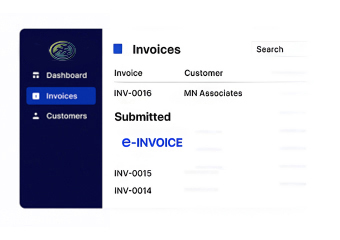
Helps teams follow invoice activity alongside related shipment and service records throughout the connected workflow.
Continuous Compliance Support
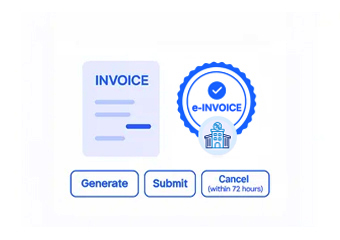
Connects EFC-ERP invoice workflows with applicable BIR electronic invoicing and reporting requirements for structured processing.
Connecting Freight Management With Philippines Compliance
E-Freight | EFC-ERP brings shipment, customer, service, and logistics information into connected freight management workflows. Advintek links relevant transactions with Philippines electronic invoicing processes, helping organizations maintain a structured connection between freight activity, invoice records, and applicable BIR reporting.
- Links freight operations with electronic invoicing
- Manage high-volume shipment-based billing cycles
- Keeps invoices connected with service records
- Supports coordinated logistics and compliance operations
Keep Freight Transactions Properly Connected
Bring relevant EFC-ERP shipment, customer, service, and transaction information into an electronic invoicing process aligned with applicable Philippines BIR requirements.
Using another ERP, accounting, logistics, CRM, or business platform alongside EFC-ERP? Advintek supports flexible Philippines e-invoicing integrations across a broad range of enterprise systems.
Ready e-Invoice System
Frequently Asked Questions E-Freight ERP E-Invoicing Philippines
Can E-Freight | EFC-ERP connect with Philippines electronic invoicing?
Yes. Relevant shipment, customer, service, and transaction information from EFC-ERP can be connected with an electronic invoicing workflow designed around applicable BIR requirements.
Which EFC-ERP records can support invoice preparation?
Depending on the workflow, shipment, customer, freight service, transaction, tax, and related business information can support structured electronic invoice preparation.
How does Advintek connect EFC-ERP with BIR processes?
Advintek collects relevant EFC-ERP information, reviews required details, structures invoice records, and routes them through the applicable electronic invoicing workflow.
Can processed invoices remain connected with shipment records?
Yes. Processed invoice information can remain associated with relevant shipment, service, and transaction records, helping teams maintain operational continuity.
Does EFC-ERP provide Philippines BIR EIS processing by default?
EFC-ERP supports freight and logistics management activities, while Philippines-specific electronic invoicing processing requires an appropriate integration for the applicable BIR workflow.