


Understanding BIR e-Invoicing in the Automotive Supply Chain
The Philippines is moving towards structured, system-generated invoicing under the Bureau of Internal Revenue (BIR) EIS, supported by the Ease of Paying Taxes framework. For automotive and auto components companies, this affects every link in the chain: parts manufacturers billing OEMs, importers billing dealers, and dealers billing end customers. Each transaction carries VAT, so accurate and traceable invoice data matters at every step.
Auto businesses also deal with complex billing: bulk parts orders, consignment stock, warranty claims, trade-in adjustments and financing-linked vehicle sales is one reason many finance teams are now reviewing whether their current billing tools can produce BIR-ready invoice data.
Manual or fragmented invoicing can lead to mismatched tax figures, delayed dealer payments and difficult audits. A compliant e-invoicing setup keeps invoice data consistent across plants, warehouses and showrooms, and gives the tax authority clean records to work with.

How an Electronic Invoicing System Works
An electronic invoicing system follows a structured process to ensure compliance and accuracy.
Invoice Creation
Invoices are generated from your ERP, dealer management system (DMS) or accounting software, using structured data such as TIN, VAT category, item codes and quantities.
Data Validation
The system checks mandatory fields, tax computation and customer details before the invoice is issued, so errors are caught early and not at audit time.
Secure Transmission
Validated invoices are sent through encrypted channels to the buyer and, where required, reported to the BIR depends on this step being reliable and fully logged.
Record and Reconciliation
Issued invoices are stored with a clear audit trail. Corrections, credit notes and re-issues are handled in a controlled workflow, which helps matching against payments and stock records.
Automotive Business Scenarios for e-Invoicing
- Parts Manufacturers and Tier 1/Tier 2 Suppliers: Automate recurring invoices to OEM customers with consistent part numbers, pricing and tax treatment, reducing manual rework at month-end.
- Vehicle Dealerships: Connect showroom sales, service billing and spare parts counters so each sale produces compliant invoice data becomes easier when sales and service systems share one data standard.
- Importers and Distributors: Handle imported components, landed costs and multi-branch billing with structured invoice records tied to inventory.
- Aftermarket and Parts Retail: High-volume, low-value sales need fast invoice generation that does not slow down the counter or online order flow.
- Fleet, Leasing and Corporate Sales: Support consolidated billing, instalment invoices and customer-specific tax or documentation needs with fewer disputes.
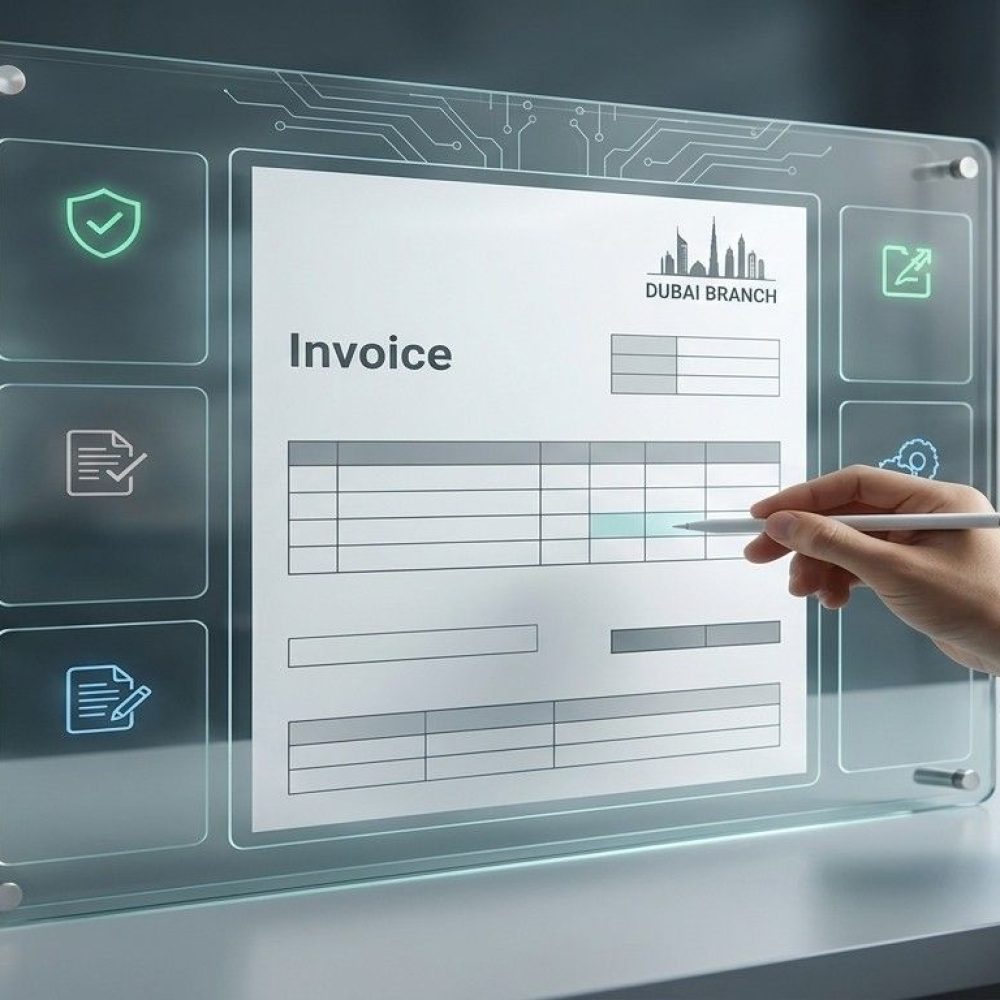

Everything You Need for Automotive e-Invoicing
- Process Review: Map how invoices flow from order to payment across plants, dealers and warehouses, and identify compliance gaps.
- System Integration: Connect your ERP, DMS and accounting tools so invoice data moves without re-keying is much simpler once systems exchange data automatically.
- Master Data Cleanup: Standardize customer TINs, item codes, tax categories and branch details.
- Validation Controls: Add automated checks that confirm tax amounts and required fields before any invoice leaves your system.
- Testing and Go-Live: Run test scenarios for returns, warranty credits and bulk orders before launch, with support during rollout.
Business Impact of e-Invoicing Adoption
E-invoicing adoption delivers measurable improvements across construction finance and compliance operations.
Lower Processing Effort
Less manual data entry across dealer, supplier and finance teams.
Fewer Billing Errors
Structured validation reduces wrong tax values, duplicate invoices and missing details. [KEYWORD 5] is a practical benefit here, since cleaner data means fewer disputes with dealers and suppliers.
Faster Payment Cycles
Clear, accurate invoices get approved sooner, which improves cash flow for working capital-heavy auto operations.
Audit Readiness
Complete records and traceable corrections make BIR reviews easier to handle.
Room to Grow
New dealer branches, product lines or plants can be added without redesigning your billing process is easier to sustain when the underlying system scales with you.
Better Financial Visibility
Real-time invoice data gives management a clearer view of sales by model, branch, channel and customer.
Start Your Automotive e-Invoicing Journey
Advintek works with automotive and auto components businesses in the Philippines to set up reliable e-invoicing with practical integration, automated checks and minimal disruption to daily operations. Our team supports you from assessment to go-live, so your invoicing stays accurate and audit-ready as regulations develop.
Frequently Asked Questions
1. Why do automotive and auto components companies in the Philippines need e-invoicing?
Automotive businesses issue high volumes of VAT-bearing invoices across OEMs, dealers, distributors and retailers. E-invoicing standardizes this data, reduces tax errors and helps meet BIR EIS expectations, while speeding up approvals and payments across the supply chain.
2. How does Advintek help auto businesses prepare for BIR e-invoicing?
Advintek reviews your current billing flow, integrates your ERP or DMS, sets up automated validation and supports testing and go-live, so invoices are generated in a compliant, structured format.
3. Can Advintek integrate with our ERP, DMS or accounting software?
Yes. Integration is planned around your existing systems so invoice data flows automatically without duplicate entry.
4. Does e-invoicing work for dealers with multiple branches and service centers?
Yes. Branch-level details, TINs and tax categories can be managed centrally while each outlet issues its own compliant invoices.
5. How are returns, warranty claims and credit notes handled?
They go through a controlled workflow with proper reference to the original invoice, keeping a clear audit trail.
6. Are PDF or manually prepared invoices still enough?
Requirements depend on BIR rules for your business category and timeline. Plain PDFs lack the structured, validated data that EIS-style reporting relies on, so businesses should plan for system-generated invoicing.
7. Can small auto parts suppliers adopt e-invoicing too?
Yes. The setup can be scaled to smaller teams and expanded as transaction volume grows.
8. What happens if invoice data contains errors?
Validation flags issues before issuance. Errors found later are corrected through credit notes or re-issue, with every change logged.
9. How long does implementation take?
It depends on your systems, number of branches and data quality. Advintek provides a timeline after an initial assessment.
10. Why choose Advintek as your e-invoicing partner in the Philippines?
Advintek combines integration experience, automated validation and hands-on support, helping automotive businesses stay compliant without slowing down operations.