


Key Invoicing Challenges in Construction and Real Estate Projects
Few industries bill in as many different ways as construction, infrastructure and real estate. A general contractor submits progress claims against a contract, holds back retention, adds variation orders and pays a chain of subcontractors. A developer takes reservation fees, collects installments over months or years, and turns over units on completion. A property owner or manager issues monthly rent, utility charges, association dues and parking fees across many tenants and buildings.
Behind each document sits a contract, a unit, a project or a lease, and often a client who withholds part of the payment under tax rules. As the BIR moves towards structured, system-generated invoicing, finance teams are searching for clear answers on e invoicing bir, since manual spreadsheets and hand-prepared billing statements are hard to defend when a single contract can generate dozens of linked documents.

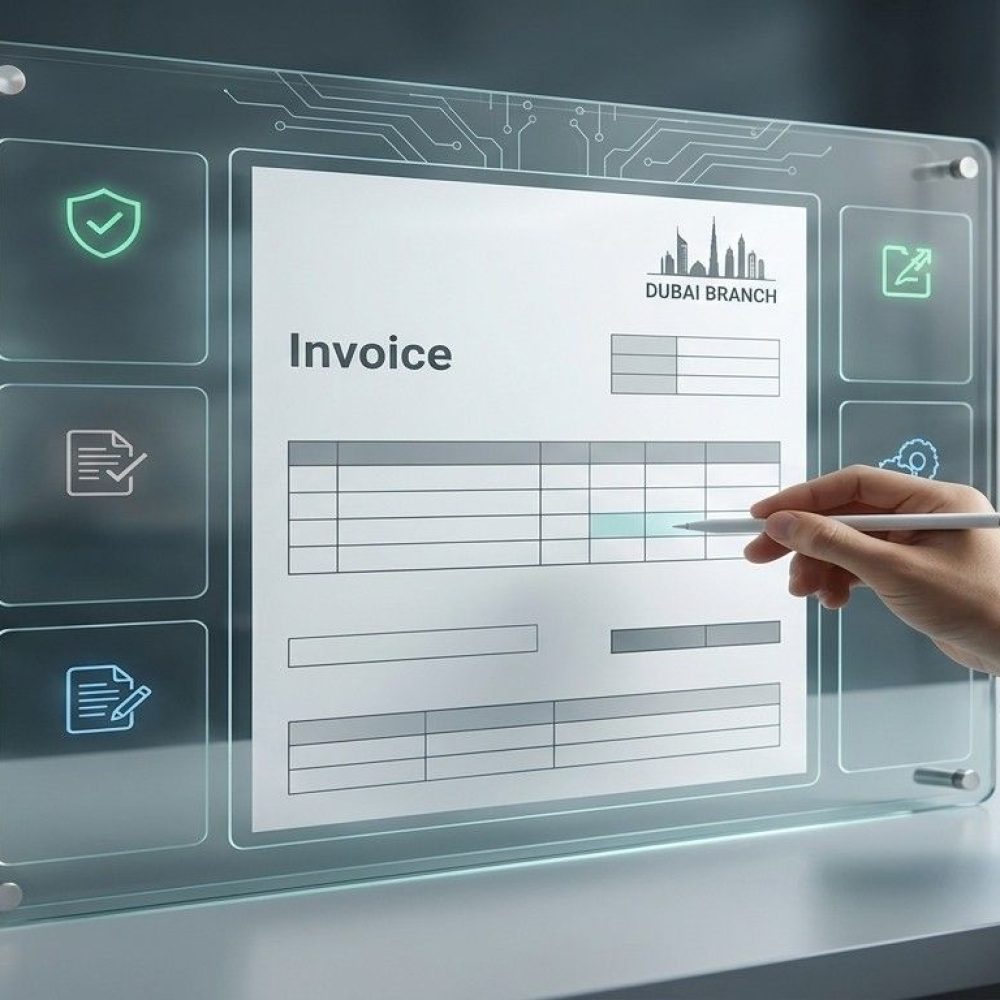
Following a Construction or Property Invoice Step by Step
Pulling Contract and Unit Data
Invoices are generated from your ERP, project costing or property management system, using contract numbers, billing percentages, unit details, lease terms and agreed amounts.
Pre-Issue Validation
The system checks tax computation, client details, contract references and mandatory fields before an invoice is released, which is important when documents represent large sums.
Secure Issuance and Reporting
Approved invoices are securely transmitted and reported as required. Businesses using Oracle Cloud ERP can integrate project accounting and receivables data directly, eliminating duplicate data entry.
Changes and Corrections
Variation orders, disputed quantities, cancelled reservations and adjusted rents are handled through linked credit notes or reissued invoices, while original documents stay on file.
Project and Property Business Types and Their Billing Patterns
- General Contractors and Infrastructure Builders: Bill progress claims against percentage of completion, with retention, advance payment recovery and variation orders clearly shown. Some contractors look at quickbooks online progress invoicing for stage-based billing, and a structured process can offer the same flexibility with BIR-ready controls.
- Real Estate Developers: Record reservation fees, down payments and installment schedules for pre-selling and ready-for-occupancy units, each linked to the correct buyer and unit.
- Subcontractors and Specialist Trades: Issue invoices for electrical, plumbing, steelwork or finishing, referencing the main contract and the work package completed.

A Realistic Plan for Contractors and Developers
- Walk Through a Contract Lifecycle: Trace one project or one unit sale from award or reservation through billing, collection and turnover, and mark where data is typed by hand.
- Plan Local Support: Teams on large ERPs often start by searching for an oracle netsuite philippines contact number to reach implementation support, and lining up that support early makes integration questions easier to settle.
- Connect Your Systems: Link ERP, project cost, sales, property management and accounting tools so invoices follow real progress and agreed schedules.
- Standardize Master Data: Align project and unit codes, client and subcontractor TINs, branch records and tax categories.
- Rehearse Before Launch: Test progress claims, retention release, installment schedules, cancellations and credit notes, then go live with guided support.
Value Delivered Across Projects and Portfolios
Clarity on Large Contract Values
Each progress claim, deposit and final payment ties back to its contract or unit.
Fewer Payment Delays
Accurate, well-referenced invoices are easier for client finance teams and project owners to approve.
Scalable for Growing Portfolios
Developers and contractors that grow on platforms such as oracle netsuite erp can add new projects, entities and properties without rebuilding their billing process when invoicing sits on structured data.
Better Control of Receivables
Installment and rent schedules are visible at a glance, which helps with follow-up and collection.
Dependable Audit Trails
Every invoice, variation and credit is recorded, making reviews and client queries easier to handle.
Sharper Project and Portfolio Insight
Invoice data shows revenue by project, unit type, tenant category and region, supporting planning and investor reporting.
Ready Your Projects and Properties With Advintek
Advintek supports construction, infrastructure and real estate businesses in the Philippines with practical e-invoicing implementation, system integration and automated validation. We shape the setup around your contracts, sales programs and property portfolio, so your invoicing stays accurate and ready for review as requirements develop.
Frequently Asked Questions
1. How does e-invoicing handle progress billing and retention on construction contracts?
Billing schedules, percentage-of-completion claims and retention terms can be configured so each invoice links back to the contract and previous claims.
2. How are reservation fees and installment payments for pre-selling units recorded?
They are tied to the buyer and unit, so each payment stage and the remaining balance stay visible and traceable.
3. Can rent and association dues be billed automatically across a property portfolio?
Yes. Recurring schedules can be set per tenant and property, with each invoice carrying the correct references.
4. How do we invoice variation orders and change requests?
They can be recorded against the original contract and billed separately or in the next claim, with a clear audit trail.
5. How are subcontractor billings linked to the main contract?
Project and work package references connect subcontractor costs to the revenue they support, which helps margin tracking.
6. What happens if a client or agency withholds part of the payment?
Withholding amounts can be reflected in your records and reconciliation. Specific tax treatment should be confirmed against current BIR guidance for your case.
7. Can the setup cover multiple projects, sites and entities?
Yes. Project, site and company details can be managed centrally while each unit issues compliant invoices.
8. How are broker commissions and sales invoices handled?
Commission and sales documents can be linked to the underlying transaction, keeping records consistent across both sides.
9. Can a small contractor start with a simple setup?
Yes. You can begin with core invoicing for your main clients and scale as projects and staff grow.
10. Why choose Advintek for project and property billing?
Advintek combines integration experience, automated validation and hands-on support, helping construction and property businesses stay compliant while keeping billing accurate.