

How BIR E-Invoicing Impacts Heavy Engineering and Defense Businesses
Heavy engineering and defense equipment businesses rarely sell off the shelf. Work is typically contract-driven: vessels, structures, vehicles, machinery and specialized systems are built over months or years, with payments tied to design approval, fabrication stages, testing, delivery and acceptance. Customers include government agencies, state-owned entities, large private operators and international partners, each with its own documentation and approval procedures.
As the BIR moves towards structured, system-generated invoicing, these long-cycle transactions need clear records that link every invoice to a contract, a milestone and the correct tax treatment. E-Invoicing for Heavy Engineering is gaining attention among finance teams who want to avoid gaps between project records and billing documents.
Subcontractors, imported components and multi-currency purchases add more layers. Without a structured process, companies can face mismatched contract values, delayed acceptance and complex reviews. Heavy Equipment Billing Software can help connect project progress, delivery records and invoices in one traceable flow.

How an Electronic Invoicing System Works
Contract and Milestone Linking
Invoices are generated from your ERP, project management or contract systems, referencing contract numbers, milestone status, delivery records and agreed values.
Automated Verification
The system checks tax computation, customer details, contract references and mandatory fields before issuing, which matters when each invoice represents a large amount.
Secure Transmission and Reporting
Validated invoices are sent through encrypted channels and reported as required. Defense Equipment Invoice Processing relies on this step to maintain a complete, time-stamped and controlled record for every document.
Revisions and Archiving
Variation orders, partial acceptance, returns and corrections are handled through linked credit notes or reissued invoices, with every change retained.
Heavy Engineering and Defense Scenarios for e-Invoicing
- Shipbuilders and Marine Fabricators: Bill by build stage, from design and material procurement to launching and final delivery, with clear references to the contract schedule.
- Heavy Equipment and Vehicle Manufacturers: Manage unit sales, attachments, spare parts and service packages across dealers and direct buyers. Industrial Invoice Automation Solutions help keep these varied billing streams consistent.
- Defense Contractors and Suppliers: Support invoicing for equipment, spares, maintenance and training under government or institutional contracts, with accurate documentation for each delivery. Manufacturing E-Invoice Solutions for Defense Contractors can be adapted to contract-specific approval and acceptance steps.
- Structural Steel and Fabrication Companies: Handle progress billing for large builds such as bridges, plants and power facilities, including material and labor components.
- Subcontractors and Specialist Service Providers: Issue clear invoices for machining, welding, testing, inspection and installation work, linked to the main contract.
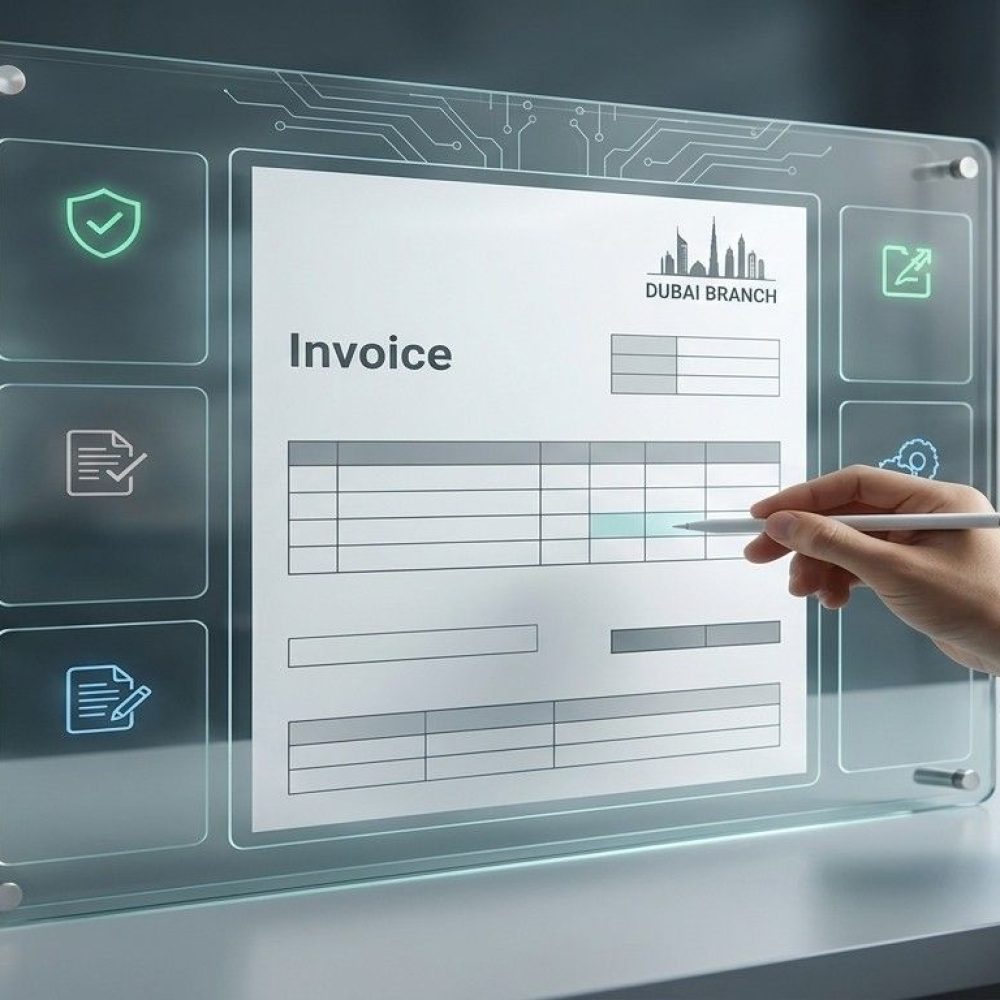

Everything You Need for Heavy Engineering e-Invoicing
- Contract-to-Cash Review: Follow how contracts, milestones, deliveries and invoices connect today, and find where records drift apart.
- System Integration: Link ERP, project, procurement and finance tools so invoices reflect actual progress and deliveries. ERP Integrated E-Invoicing for Engineering Manufacturers reduces re-keying and keeps contract data aligned with billing.
- Data Standardization: Align contract codes, equipment and part numbers, customer and supplier TINs, branch records and tax settings.
- Milestone and Validation Rules: Set automated checks for payment schedules, contract values, retention terms and required fields.
- Pilot and Go-Live: Test cases such as advance payments, progress billing, variation orders and credit notes before launch, with support through the first cycles.
Business Impact of e-Invoicing Adoption
Clarity on Large-Value Billing
Every deposit, milestone invoice and final balance is tied to its contract, making large transactions easier to track and explain.
Fewer Approval Delays
Accurate, well-referenced invoices are easier for customer finance and acceptance teams to review and process.
Stronger Cash Flow Control
Clear billing schedules and faster approvals help manage working capital across long project timelines. Automated Billing Solutions for Heavy Engineering Industries also reduce the manual effort that often slows milestone invoicing.
Dependable Audit Trail
Every invoice, variation and credit is recorded, so reviews, customer queries and internal audits are easier to handle.
Room to Grow
New projects, facilities, product lines or partner companies can be added without rebuilding your billing process.
Better Project and Financial Visibility
Invoice data shows revenue by contract, product type, customer group and region, supporting forecasting and planning.
Get Started with Heavy Engineering E-Invoicing
Advintek supports heavy engineering and defense equipment businesses in the Philippines with dependable e-invoicing implementation, system integration and automated validation. We design the setup around your contract model and project workflows, so your invoicing stays accurate and review-ready as requirements develop.
Frequently Asked Questions
1. Why do heavy engineering and defense equipment companies in the Philippines need e-invoicing?
These businesses manage high-value contracts, staged payments and detailed documentation. E-invoicing adds structure and validation, which reduces errors and supports readiness for BIR EIS requirements.
2. How does Advintek help engineering companies prepare for BIR e-invoicing?
Advintek reviews your contract-to-billing process, integrates your ERP and project systems, configures automated validation and supports testing and rollout.
3. Can e-invoicing handle milestone billing, advance payments and retention?
Yes. Payment schedules and contract terms can be configured so each invoice links back to the original agreement.
4. Can Advintek integrate with our ERP, project and procurement systems?
Yes. Integration is planned around your existing tools so invoice data reflects actual progress and deliveries without re-entry.
5. How are variation orders and contract changes invoiced?
They can be recorded and billed with clear references to the original contract, with changes tracked in a full audit trail.
6. Does it work for government and institutional customers?
Yes. Structured, accurate invoices help meet the documentation expectations of institutional buyers and support their review process.
7. How are returns, rejections and corrections handled?
They are processed through credit notes or reissued invoices linked to the original document.
8. Is e-invoicing suitable for subcontractors and smaller fabricators?
Yes. The setup can begin with core invoicing needs and scale as your project volume and customer base grow.
9. How long does implementation take?
It depends on your systems, number of project sites and data quality. Advintek confirms a timeline after an initial assessment.
10. Why choose Advintek as your e-invoicing partner in the Philippines?
Advintek offers integration experience, automated validation and practical support, helping heavy engineering and defense businesses stay compliant while keeping project billing accurate and traceable.