


The Billing Challenge Behind Every Big-Ticket Sale
Selling a forklift, generator, CNC machine, medical device or construction vehicle is not like selling a retail product. A single deal may begin with a quotation and a pro-forma invoice, move through a down payment, wait for shipment from overseas, and close with delivery, installation, training and a service contract. Buyers may pay in cash, through bank financing or via a leasing company, each with different paperwork.
As the BIR moves towards structured, system-generated invoicing, dealers need every one of these billing events tied to the right contract, unit and tax treatment. A well-planned e-invoice solution for capital goods equipment trading helps keep deposits, balances and service charges connected to the original sale instead of scattered across spreadsheets and emails.
Because invoice values are large, small errors cost more here than in most industries. Finance teams are therefore keeping an eye on BIR issuances, including those searched as e invoicing bir rmc, so they can align their processes with what the tax authority expects as the rollout progresses.

Tracing a Deal From Quotation to Final Invoice
Deal and Unit Data
The invoice is built from your ERP or sales system using the quotation, order number, equipment model, serial or unit number, agreed price and payment schedule.
Checks Before Release
The system verifies tax computation, buyer details, contract references and mandatory fields, which is important when a single document may represent a large amount.
Secure Issuance and Reporting
Approved invoices are securely transmitted and reported as required. Businesses using SAP Business One Philippines can integrate sales and inventory data directly into e-invoicing, eliminating duplicate data entry.
Adjustments and Corrections
Price changes, trade-in credits, returns and cancellations are processed through linked credit notes or reissued invoices, while the original document stays on record.
Equipment Trading Setups and How They Bill
- Authorized Dealers and Distributors: Invoice units, accessories, spare parts and service packages sourced from principals, with clear traceability to each shipment.
- Importers of Industrial and Construction Equipment: Track landed costs and resale prices together, so each invoice reflects the right cost basis and tax treatment.
- Independent Traders of New and Used Equipment: Record trade-ins, refurbished units and resale deals with accurate unit identification.
- Smaller Dealers Using Entry-Level Accounting Software: Owners of smaller firms often ask what is myob accounting software when comparing tools, and the answer matters because the accounting package you pick determines how easily invoice data can be passed into a compliant flow.
- Dealers With Installation and Staged Billing: Some businesses evaluate quickbooks online progress invoicing for stage-based billing, and Advintek can support a similar milestone approach within a structured, BIR-ready process.
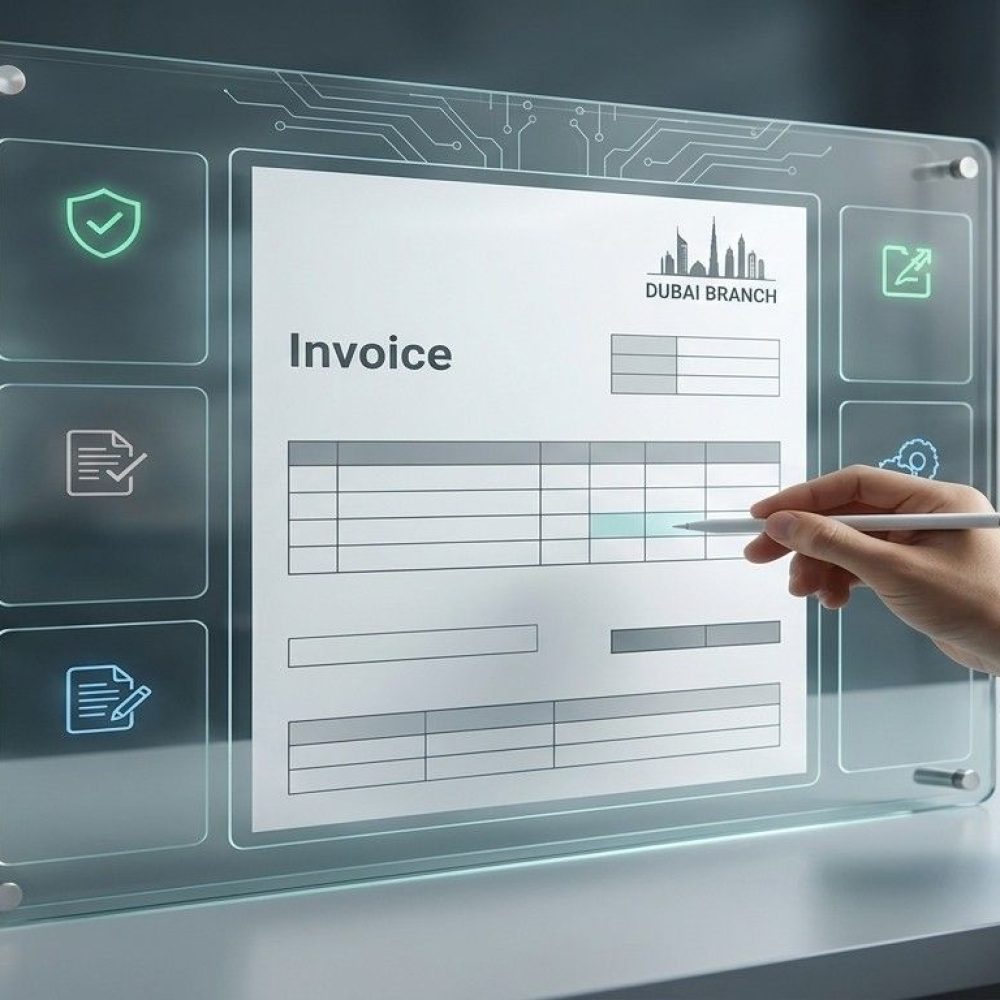

Steps to Prepare Your Invoicing Operations
- Chart the Whole Sales Cycle: Document how a deal moves from inquiry to quotation, deposit, delivery, installation and final payment, and note where records are copied by hand.
- Link Your Systems: Connect ERP, inventory, finance and service tools. Companies that run oracle cloud erp can use their existing order and finance modules as the source of invoice data.
- Standardize Your Data: Align equipment codes, serial number formats, customer TINs, branch details and tax settings.
- Set Billing Rules: Define deposits, milestone percentages, retention, financing arrangements and warranty terms in the invoicing logic.
- Rehearse Before Launch: Test cases such as partial deliveries, delayed installations, trade-ins and credit notes, then go live with guided support.
Results Dealers Notice Over Time
Clear Links Between Deposit and Final Bill
Every payment stage is tied to its deal, so customers and your finance team can see the full picture at a glance.
Fewer Delivery Disputes
Accurate unit details and consistent pricing cut down on back-and-forth with buyers and lenders.
Faster Financing Approvals
Banks and leasing firms process clean, well-referenced invoices more quickly.
Smarter Tool Choices
Businesses exploring FreshBooks, a simple invoicing tool for freelancers and small businesses, may find that high-value equipment sales require stronger controls, validation, and ERP integration.
Reliable Audit Trails
Every invoice, correction and credit is recorded, so tax reviews and customer questions are easier to answer.
Better Sales and Margin Insight
Invoice data shows revenue by brand, equipment type, customer segment and region, supporting stocking and pricing decisions.
Take the First Step With Advintek
Advintek supports capital goods and equipment trading businesses in the Philippines with practical e-invoicing implementation, system integration and automated validation. We shape the setup around your deal structures and customer financing arrangements, so your invoicing stays accurate and ready for review as requirements develop.
Frequently Asked Questions
1. Why is invoicing for equipment trading harder than for ordinary product sales?
Deals involve high values, staged payments, imported goods, financing and after-sales services, so one sale can create many linked documents that must stay consistent.
2. How do pro-forma invoices, deposits and final invoices stay consistent?
Each document references the same deal and unit data, so the final invoice reflects what was quoted and what has already been paid.
3. Can serial numbers and unit specifications appear on each invoice?
Yes. Unit-level details can be pulled from your inventory or sales records and shown on the invoice.
4. How are trade-ins, demo units and used equipment invoiced?
They can be recorded as separate lines or adjustments with clear references, so the final amount and tax treatment remain traceable.
5. How does the process work when a bank or leasing company finances the purchase?
Invoices can be issued to the correct party with references to the financing arrangement, keeping buyer, lender and dealer records aligned.
6. What happens if delivery or installation is delayed after billing?
Changes are handled through linked credit notes or reissued invoices, with the full history retained for audit.
7. Can warranty, spare parts and service contracts be billed separately?
Yes. Goods and services can be invoiced on separate documents or lines, each with the right tax treatment.
8. Does a smaller dealer with fewer but larger invoices need this?
Yes. Low invoice counts still involve high values and compliance exposure, and the setup can be kept simple at first.
9. How do we connect our current finance and inventory software?
Advintek reviews your existing tools and plans integration so data flows automatically, with testing before go-live.
10. Why work with Advintek on this?
Advintek combines integration experience, automated validation and hands-on support, helping equipment traders stay compliant while keeping deals and billing aligned.