

Understanding BIR e-Invoicing for Metals and Steel Businesses
Metals and steel companies work with high-value, high-tonnage transactions. A single invoice may cover multiple grades, sizes and lengths, with prices tied to weight, commodity movements or contract terms. Sales flow from mills and importers to traders, construction suppliers, manufacturers and contractors, while processing businesses may bill for cutting, bending, coating or galvanizing services on customer-owned material.
Manual invoicing can lead to weight mismatches, wrong tax computation, disputed deliveries and slow payment on large accounts. A structured e-invoicing process keeps product specifications, quantities and tax details aligned from the weighbridge to the customer’s payables.

How an Electronic Invoicing System Works
Delivery and Weight Data Capture
Invoices draw on dispatch records, weighbridge data, grade and size details, and contract prices from your ERP or plant systems.
Automated Accuracy Checks
The system confirms tax computation, customer information and required fields before issuing, which matters when a single invoice carries a very large value.
Protected Transmission
Validated invoices are sent via encrypted channels and reported as required. [KEYWORD 2] depends on this step creating a reliable, time-stamped record.
Adjustments and Audit Trail
Weight variances, price revisions and returns are handled through linked credit notes or reissued invoices, with every change retained.
Metals and Steel Scenarios for e-Invoicing
- Steel Mills and Rebar Producers: Bill distributors and project buyers with consistent product specifications, tonnage and pricing terms across plants and yards.
- Importers and Traders: Manage imported coils, plates and bars with landed cost, multiple warehouses and fast-changing prices. [KEYWORD 3] is easier to maintain when purchase, stock and sales records share one data structure.
- Service Centers and Processors: Issue clear invoices for slitting, cutting, bending, coating or galvanizing work, including customer-owned material arrangements.
- Fabricators and Metal Product Makers: Handle project-based and milestone billing for structural steel, roofing, wires and pipes.
- Scrap and Recycling Operations: Record purchases and sales of recovered metal with accurate quantities, grades and counterparty details.
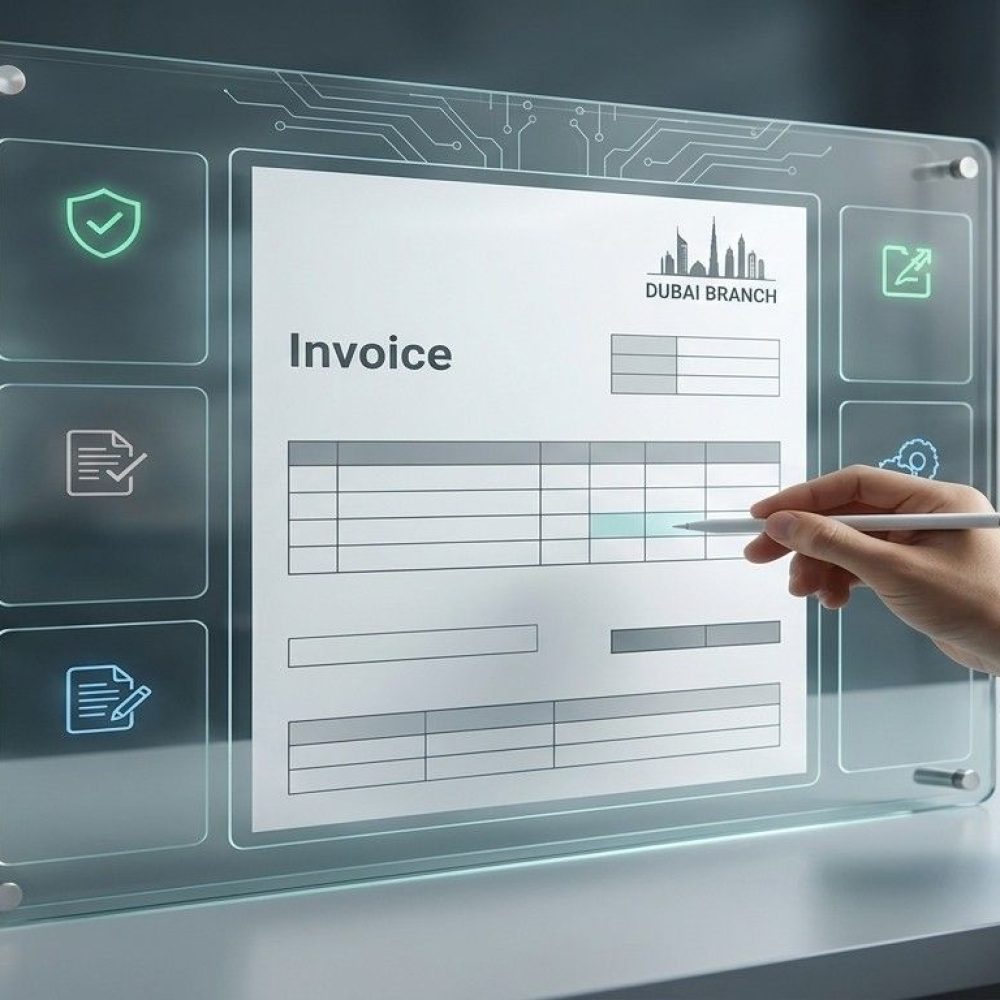

What You Need for Metals e-Invoicing
- Billing Process Review: Examine how deliveries, weighing, pricing and invoicing connect today, and spot where discrepancies begin.
- System Integration: Link ERP, weighbridge, inventory and finance tools so invoices reflect actual dispatches. [KEYWORD 4] works best when these sources feed invoices automatically.
- Data Standardization: Align product codes, grade names, units of measure, customer TINs and tax settings.
- Validation Controls: Set automated checks for weight tolerances, price rules and mandatory fields.
- Pilot and Go-Live: Test typical cases such as partial deliveries, price changes and credit notes, then launch with guided support.
Business Impact of e-Invoicing Adoption
Accuracy on High-Value Documents
Automated checks reduce costly errors on invoices that can run into large amounts.
Fewer Delivery Disputes
Invoices tied directly to dispatch and weight records reduce disagreements with buyers is one area where teams often see early gains.
Better Cash Flow
Clear documentation helps large customers approve and settle invoices faster, which supports working capital in a capital-intensive industry.
Audit-Ready Records
Complete invoice histories and adjustments are easy to retrieve when authorities or auditors ask.
Capacity to Scale
New plants, yards, processing lines or customer accounts can be added without redesigning your billingremains manageable as order volumes and product ranges grow.
Stronger Commercial Insight
Invoice data shows sales by grade, product type, customer segment and region, supporting pricing and inventory planning.
Begin Your Metals and Steel e-Invoicing Journey
Advintek supports basic metals and steel processing businesses in the Philippines with dependable e-invoicing implementation, system integration and automated validation. We design the setup around your plant operations and customer mix, so your invoicing remains accurate and ready for review as requirements evolve.
Frequently Asked Questions
1. Why do metals and steel companies in the Philippines need e-invoicing?
Steel and metals transactions are high in value and detailed in specification, with billing tied to weight, grade and contract terms. E-invoicing adds structure and validation, which lowers errors and supports readiness for BIR EIS requirements.
2. How does Advintek help metals businesses prepare for BIR e-invoicing?
Advintek reviews your delivery-to-billing process, integrates your ERP and plant systems, configures automated validation and supports testing and rollout.
3. Can e-invoicing handle weight-based billing and varying units of measure?
Yes. Invoice logic can be configured for tonnage, pieces, lengths or other units, based on your product and contract setup.
4. Can Advintek integrate with our ERP, weighbridge and inventory systems?
Yes. Integration is planned around your current systems so invoice data reflects actual dispatches without re-entry.
5. How are toll processing and customer-owned material billed?
Processing services can be invoiced separately with clear references to the work performed and quantities handled.
6. Can it support project-based or milestone billing?
Yes. Progress and milestone invoices can be generated in a structured way and linked to the underlying contract or order.
7. How are weight variances and price adjustments corrected?
They are processed through credit notes or revised invoices linked to the original document, with a complete audit trail.
8. Is e-invoicing suitable for smaller traders and fabricators?
Yes. The solution can start with core invoicing needs and expand as your volumes and branches grow.
9. How long does implementation take?
It depends on your systems, number of plants or yards and data quality. Advintek confirms a timeline after an initial assessment.
10. Why choose Advintek as your e-invoicing partner in the Philippines?
Advintek offers integration experience, automated validation and practical support, helping metals businesses stay compliant while keeping dispatch and billing aligned.