




Understanding BIR e-Invoicing for the Textile and Apparel Sector
The textile and apparel value chain involves many hands: yarn and fabric suppliers, cut-and-sew factories, subcontract workshops, trading companies, brand owners and retailers. Orders are often built around styles, sizes, colors and delivery windows, and a single purchase order may be split across several shipments. Invoices need to reflect this detail correctly, while also carrying the right tax treatment for local and export-related sales.
Without a standard process, businesses face mismatched quantities, buyer chargebacks, delayed payments and time-consuming reviews. A connected e-invoicing setup keeps style, quantity, price and tax information consistent from the production floor to the customer’s accounts payable team.

How an Electronic Invoicing System Works
Order and Shipment Data
Invoices are generated from your ERP, production planning or order management tools, drawing on style codes, size and color breakdowns, quantities and agreed prices.
Rule-Based Validation
The system checks tax details, buyer information and mandatory fields before an invoice is released, so mistakes are stopped at the source.
Secure Submission
Approved invoices are transmitted through encrypted channels and reported as required. is strengthened when every document has a complete, searchable history.
Amendments and Records
Partial shipments, quantity differences and quality-related adjustments are handled through linked credit notes or revised invoices, with every change recorded.
Textile and Apparel Scenarios for e-Invoicing
- Fabric and Yarn Producers: Bill garment makers and traders with consistent product specifications, roll or lot details and pricing terms.
- Garment Manufacturers: Manage multi-style, multi-shipment orders where invoices must match packing lists and buyer documents is simpler when production, shipping and billing records follow one structure.
- Subcontractors and Cut-and-Sew Workshops: Issue clear invoices for processing work such as sewing, embroidery, printing or washing, reducing disputes over completed quantities.
- Fashion Brands and Wholesalers: Handle seasonal collections, pre-orders and bulk sales to boutiques and department stores with accurate, traceable billing.
- Apparel Retail and Online Stores: Keep store sales, online orders, returns and exchanges aligned with accounting records across channels.
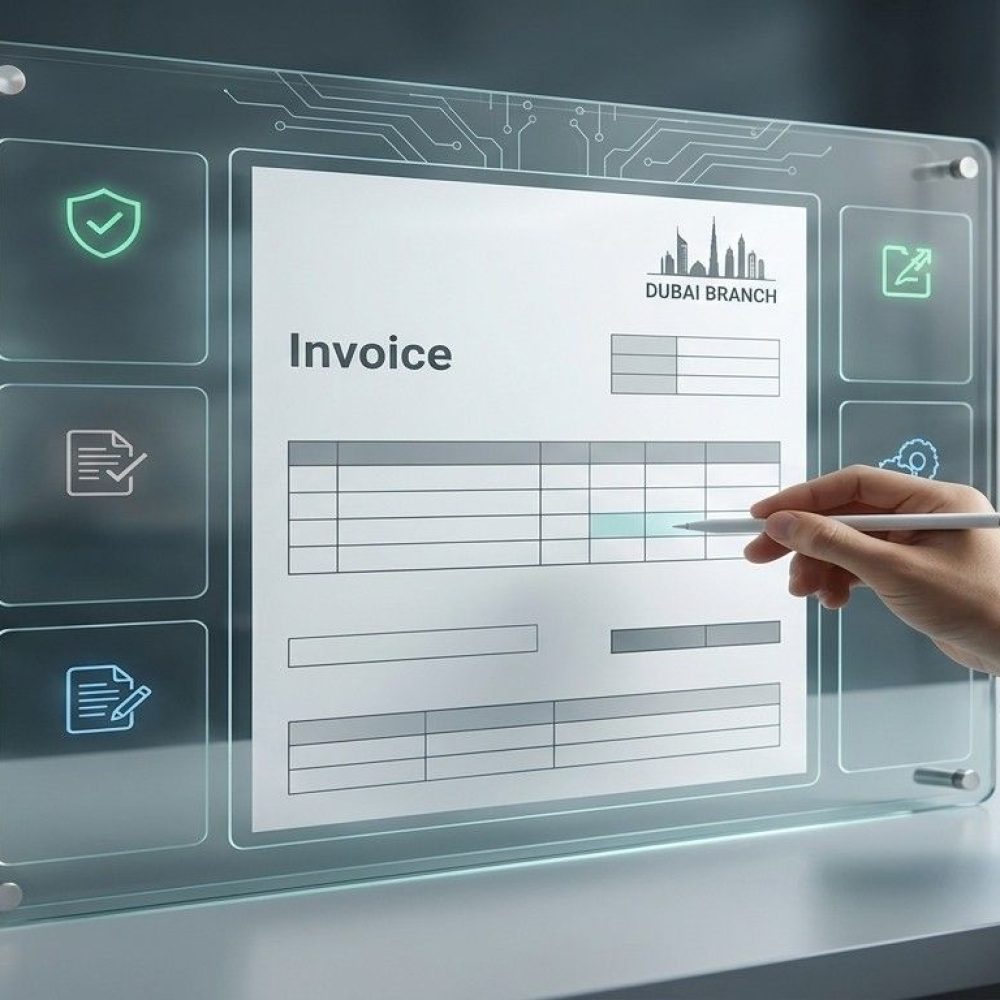

Everything Required for Apparel e-Invoicing
- Workflow Mapping: Follow an order from purchase order to shipment to payment and note where invoice errors or delays start.
- System Linking: Connect ERP, inventory, shipping and finance tools so invoices reflect actual shipments. [KEYWORD 4] is much more reliable once these systems exchange data automatically.
- Product and Customer Data Cleanup: Standardize style codes, size-color matrices, customer TINs, branch details and tax settings.
- Control Rules: Add automated checks for quantity matching, price consistency and required fields.
- Trial Runs and Launch: Test seasonal peaks, split shipments and returns before going live, with support during the first billing cycles.
Business Impact of e-Invoicing Adoption
Smoother Peak Seasons
Automated processing helps manage the rush before holiday collections, fiesta sales and export deadlines.
Fewer Buyer Chargebacks
Accurate quantities and prices reduce the discrepancies that lead to deductions and rejected documents is one place where teams often see quick improvement.
Quicker Payments
Clear, consistent invoices move through buyer approval faster, which supports cash flow during long production cycles.
Easier Reviews
Complete records of issued invoices and adjustments make tax and customer audits less stressful.
Ready for New Markets and Buyers
Adding a new brand customer, factory line or sales channel does not require redesigning your invoicing stays practical as your order base grows.
Better Cost and Sales Visibility
Invoice data shows revenue by style, customer, season and channel, helping with pricing and planning.
Begin Your Textile and Apparel e-Invoicing Journey
Advintek works with textile and apparel businesses in the Philippines to put dependable e-invoicing in place, including system integration, automated validation and hands-on rollout support. We tailor the setup to your production model and customer mix, so your invoicing stays accurate and review-ready as requirements develop.
Frequently Asked Questions
1. Why do textile and apparel companies in the Philippines need e-invoicing?
Apparel orders involve many styles, sizes, colors and split shipments, which makes manual invoicing error-prone. E-invoicing brings structure and validation to this data, supports faster payments and helps businesses prepare for BIR EIS requirements.
2. How does Advintek help textile and garment businesses get ready for BIR e-invoicing?
Advintek reviews your order-to-billing process, integrates your ERP and related tools, sets up automated validation and supports testing and go-live.
3. Can e-invoicing handle size and color variants and split shipments?
Yes. Invoice logic can be configured to reflect style-level detail and to link multiple shipments to the same order.
4. Can Advintek integrate with our ERP, production and inventory software?
Yes. Integration is planned around your existing systems to avoid re-entering data and to keep invoices aligned with actual shipments.
5. Is e-invoicing suitable for subcontractors and small workshops?
Yes. The setup can start with simple processing-work invoices and scale as your customer base grows.
6. How are returns, quality claims and price adjustments handled?
They are processed through credit notes or revised invoices linked to the original document, with a full audit trail.
7. Will it work for both local sales and export-oriented orders?
Tax treatment and documentation can differ by transaction type, and the system can be configured to apply the right setup per customer and order. Specific rules should be confirmed against current BIR guidance for your business.
8. What happens if an invoice contains wrong details?
Validation catches most issues before issuance. Errors found later are corrected through a credit note or re-issue, and every change is recorded.
9. How long does implementation take?
It depends on your systems, number of production sites and data quality. Advintek provides a timeline after an initial assessment.
10. Why choose Advintek as your e-invoicing partner in the Philippines?
Advintek combines integration experience, automated validation and practical support, helping apparel businesses stay compliant while keeping production and shipping on schedule.
