

Compliance That Fits Yardi Users
From Yardi Property Activity to Philippines e-Invoicing
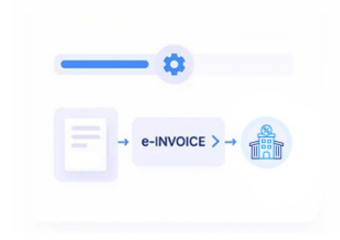
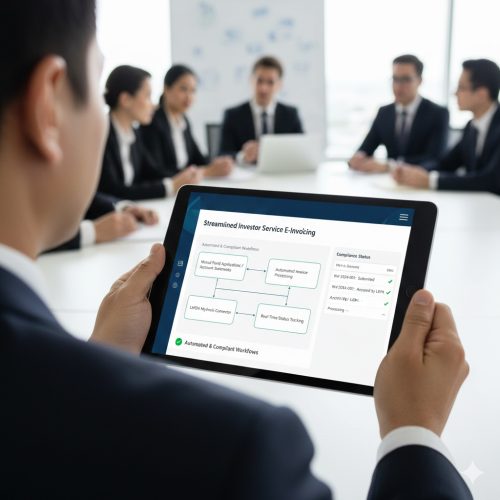
- Property Activity Creates Records: Leasing, rent, services, accounting, or other property operations generate relevant transactions.
- Applicable Details Are Gathered: Tenant, lease, property, charge, tax, financial, and transaction information is identified.
- Invoice Information Is Organized: Relevant Yardi information is prepared for electronic invoice processing.
- Transaction Details Are Reviewed: Property and invoice information is checked before the workflow advances.
- Compliance Processing Continues: Prepared information moves through Philippines electronic invoicing supporting applicable BIR requirements.
- Property Records Stay Connected: Processed invoice information can remain associated with its originating property transaction.
Connecting Yardi With Philippines e-Invoicing
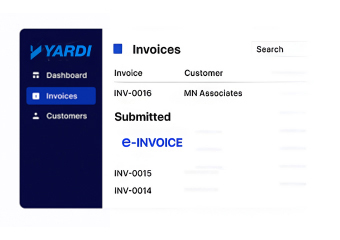
Yardi brings property management, leasing, tenants, rent, accounting, maintenance, and property operations into connected workflows. Advintek connects relevant Yardi transaction information with Philippines electronic invoicing, helping property businesses maintain a structured route toward applicable BIR processes.
- Property transactions provide source information.
- Tenant and lease details add context.
- Advintek organizes applicable invoice information.
- Records proceed through applicable BIR processes.
How Yardi Supports Property Invoicing
- Tenant Information Maintains Identification — Relevant tenant details can remain connected with property transactions throughout the invoice processing workflow.
- Lease Records Establish Billing Context — Lease information can help explain the charges and transactions associated with applicable invoice records.
- Property Details Identify the Location — Property information can provide useful context for transactions generated through property management activities.
- Rent Activity Supports Financial Details — Rent transactions can contribute relevant amounts and financial information to associated invoice records.
- Service Charges Add Transaction Context — Applicable service and property-related charges can provide additional details when preparing electronic invoices.
- Accounting Records Improve Review — Financial information can help teams review property-related transactions alongside their associated invoice documentation
Everything You Need for Philippines E-Invoicing in One Place
Live Billing Validation
Maps relevant tenant, lease, property, rent, service, accounting, and transaction information into the electronic invoicing workflow.
Central Portfolio Dashboard
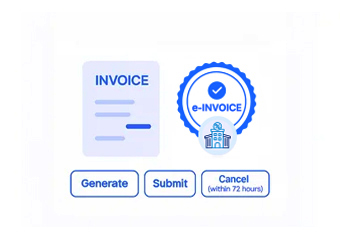
Reviews applicable tenant, property, charge, tax, financial, and transaction details before selected records continue through invoice processing.
Ongoing Compliance Support
Maintains useful connections between processed invoice information and Yardi transactions providing their underlying property context.
Yardi Property Operations Supporting Compliance
Yardi connects property management, leasing, tenants, rent, accounting, services, and operational activity. Advintek extends relevant Yardi records into Philippines electronic invoicing, helping property organizations maintain structured documentation while supporting applicable BIR requirements.
- Yardi property activities connect with electronic invoicing.
- Relevant billing information moves into processing.
- Invoice records remain linked with source transactions.
- Documents follow applicable Philippines BIR processes.
Through Philippines e-Invoicing Integration
Connect relevant tenant, lease, property, rent, service, accounting, and transaction information with an electronic invoicing workflow designed around applicable Philippines BIR requirements.
Whether Yardi operates alongside accounting platforms, CRM systems, payment applications, property tools, or other business software, Advintek supports connected Philippines e-invoicing workflows.
Ready e-Invoice System
Frequently Asked Questions Yardi E-Invoicing Philippines
Which Yardi information can support electronic invoice preparation?
Tenant, lease, property, rent, service, accounting, tax, and transaction information can contribute to applicable electronic invoice preparation.
Can tenant information support invoice processing?
Yes. Relevant tenant details can provide identification and transaction context for property-related electronic invoice records.
Can lease information contribute to invoice records?
Yes. Applicable lease information can provide context for charges and transactions associated with electronic invoices.
Can rent transactions support electronic invoices?
Yes. Relevant rent and financial transaction information can contribute amounts and details to applicable invoice records.
Can service charges be included in invoice processing?
Applicable property and service charges can contribute relevant transaction details when preparing electronic invoice records.